Some places are known for a monument. Bulukumba is known for a skill. Across Indonesia the regency carries an honorific rather than a slogan: Butta Panrita Lopi, the Land of the Master Shipwrights. To commission a phinisi here is to build where the craft was born.
A regency defined by boatbuilding
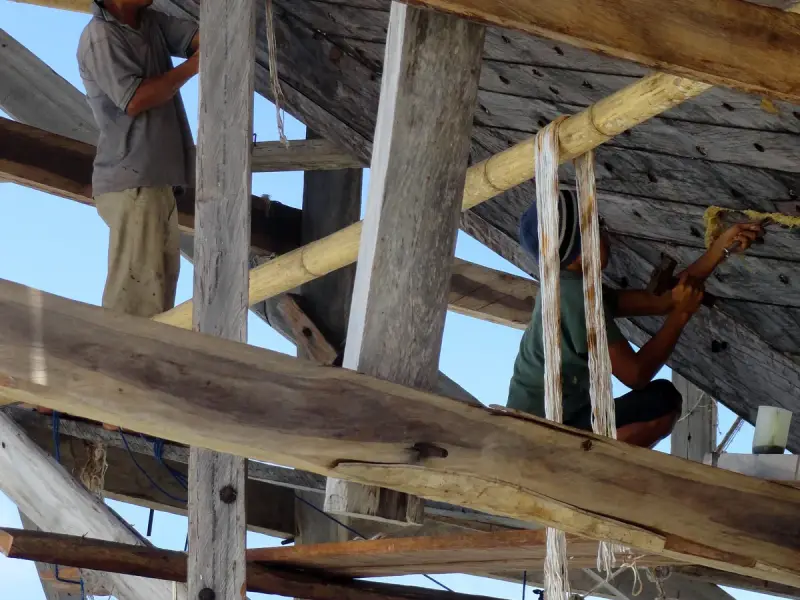
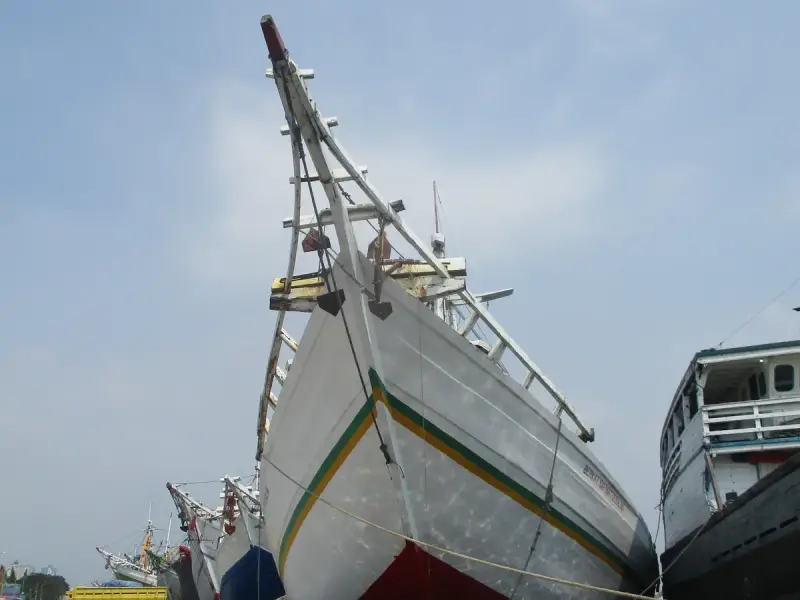
Bulukumba sits at the south-eastern tip of the South Sulawesi peninsula, and its coastal Konjo and Bugis communities have built timber sailing vessels for generations. The pinisi — two masts, seven or eight sails — became the signature of a maritime trading culture that ranged across the archipelago and beyond. The skill was never written down; it was carried in families and hands.
The 2017 UNESCO listing
In 2017 UNESCO inscribed “Pinisi, art of boatbuilding in South Sulawesi” on the Representative List of the Intangible Cultural Heritage of Humanity. Crucially, the listing honours the knowledge — the shell-first method , the keel-laying ritual, the hull judged by eye — not any single yard or company. It is a recognition of a living craft.
The villages today
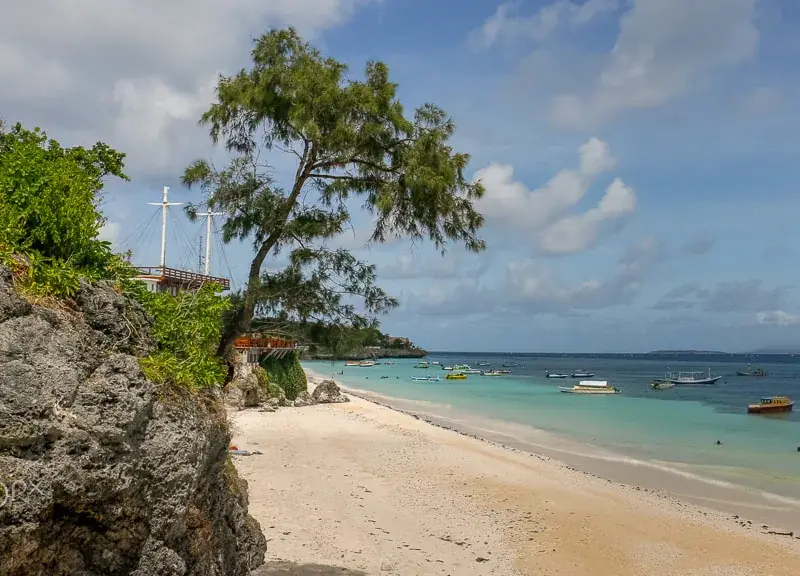
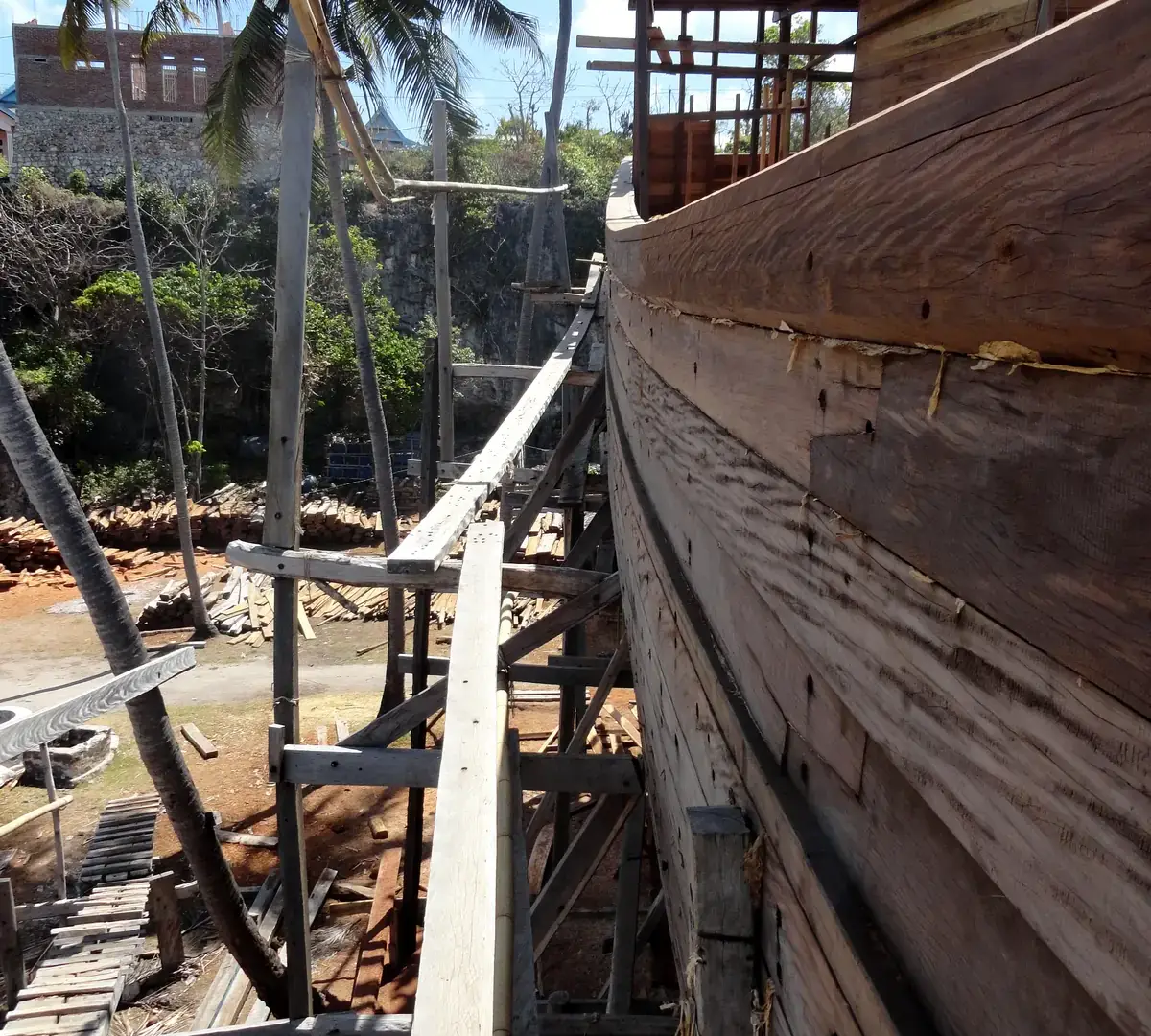
The knowledge lives in the hamlets of Ara, Tana Lemo and Lemo-Lemo within the Bonto Bahari sub-district, near the resort headland of Tanjung Bira . Walk the beach and you will see hulls at every stage, from a bare keel to a shell ready to launch. It is not a museum; it is a working coast.
Building where the craft belongs
Commissioning a phinisi in Bulukumba is a choice to build where the skill is native, with the families who hold it, and to help keep that skill economically alive. Done with fair contracts and modern standards , it honours the tradition rather than trading on it.
The pinisi’s place in Indonesian identity
The pinisi is more than a regional boat; it is a national symbol, appearing on currency and in the maritime story Indonesia tells about itself. That standing is rooted in Bulukumba, and it is part of why commissioning here carries a weight that a generic boatyard cannot offer. You are building an icon in its birthplace.
Keeping the tradition economically alive
Heritage listings protect knowledge, but only work protects livelihoods. Every honest commission keeps a punggawa and his sawi employed and passes the craft to apprentices who will otherwise leave for other work. The most respectful thing an owner can do for the tradition is to build a boat, fairly and well.